Improv and Human Connection | How Listening Builds Belonging
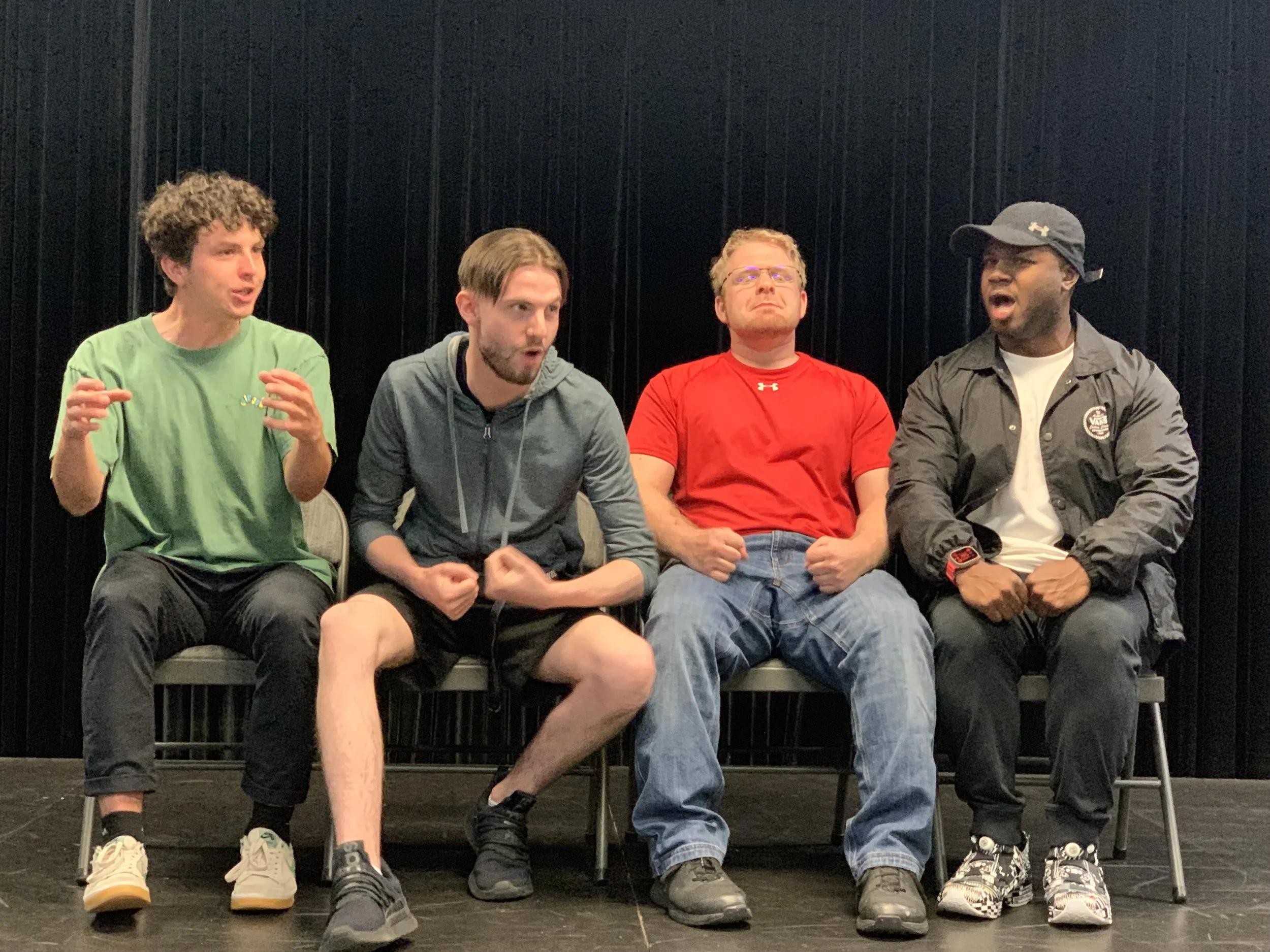
Peak Improv Theater students practice connect through listening.
Most people think connection starts with chemistry.
Improv teaches something different.
There’s a common belief that strong connection is instant—or that it depends on being charismatic, funny, or quick. But in improv, connection doesn’t come from being impressive. It comes from listening.
At Peak Improv Theater, we watch it happen every day: strangers walk into a room, unsure of themselves, and leave feeling part of something larger. Not because they performed well—but because they were heard.
Listening vs. Waiting to Speak
In everyday life, many of us listen just long enough to plan our response. Improv gently disrupts that habit.
Instead of asking “What should I say next?” improv asks:
“What’s already happening—and how can I support it?”
That shift changes everything. Scenes become collaborative instead of competitive. Conversations feel easier. People relax.
This is one of the core ideas behind our Improv Improves Your Life approach: improv isn’t about performance—it’s about responsiveness.
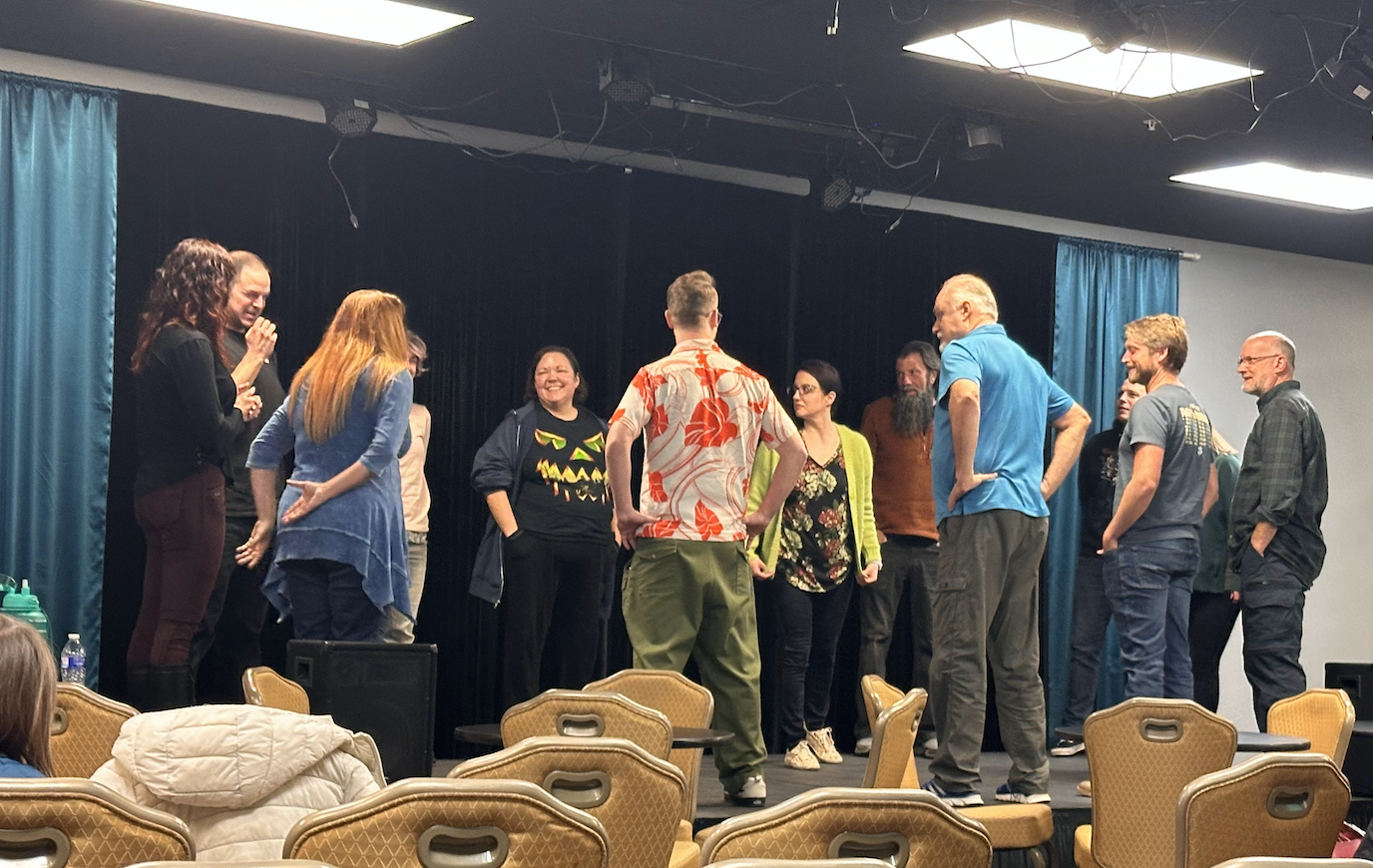
Students sharing the stage at Peak Improv Theater.
Why Belonging Grows Faster in Ensembles
In improv, no one “owns” the scene. Everyone does.
That shared ownership creates:
less pressure to be right
more willingness to participate
faster trust between people
Instead of earning your place, you’re given one.
We see this same ensemble mindset ripple into real life—at work, in families, and in friendships. When people feel supported, they take more risks. When they’re listened to, they show up more fully.
(You can explore this further in our post on Improv and Collaboration.)
Connection Is a Skill—Not a Personality Trait
One of the biggest myths we hear is:
“I’m just not good with people.”
Improv challenges that belief. Connection isn’t about being outgoing—it’s about being present.
That’s why improv classes work for introverts, anxious thinkers, and people who’ve never considered themselves “performers.” The practice isn’t about spotlight moments; it’s about mutual attention.
And that’s something you can learn.
If you’re curious about experiencing this in a low-pressure way, our Improv 101 classes are designed to prioritize emotional safety and ensemble trust from day one.
→ Explore current classes. New classes begin on March 2, 2026.
Where to Experience It Live
You don’t have to take a class to feel the ensemble mindset. It’s visible every time a group steps onstage—supporting each other, recovering together, and building something shared.
If you want to see it in action:
Join us for this Friday’s show
Or drop into a free Improv Jam, where participation is optional and encouragement is guaranteed
→ See upcoming shows & events.
Connection doesn’t begin with confidence.
It begins with listening.
And once people feel heard, belonging follows naturally.