Improv Improves Your Life: Creativity Beyond the Stage | Peak Improv Theater

Laughing and engaging in playful improv exercises amplifies your creativity
January is National Creativity Month—a reminder that creativity isn’t just about art. It’s how we adapt, connect, and respond when life doesn’t go according to plan.
Creativity shows up when meetings go sideways, when conversations get uncomfortable, when plans fall apart, and when we’re asked to think on our feet instead of reaching for a script. It’s not about being clever—it’s about being present.
At Peak Improv Theater, we see this every day. Improv doesn’t teach people how to perform. It teaches them how to respond—to uncertainty, to each other, and to themselves—with curiosity instead of fear.
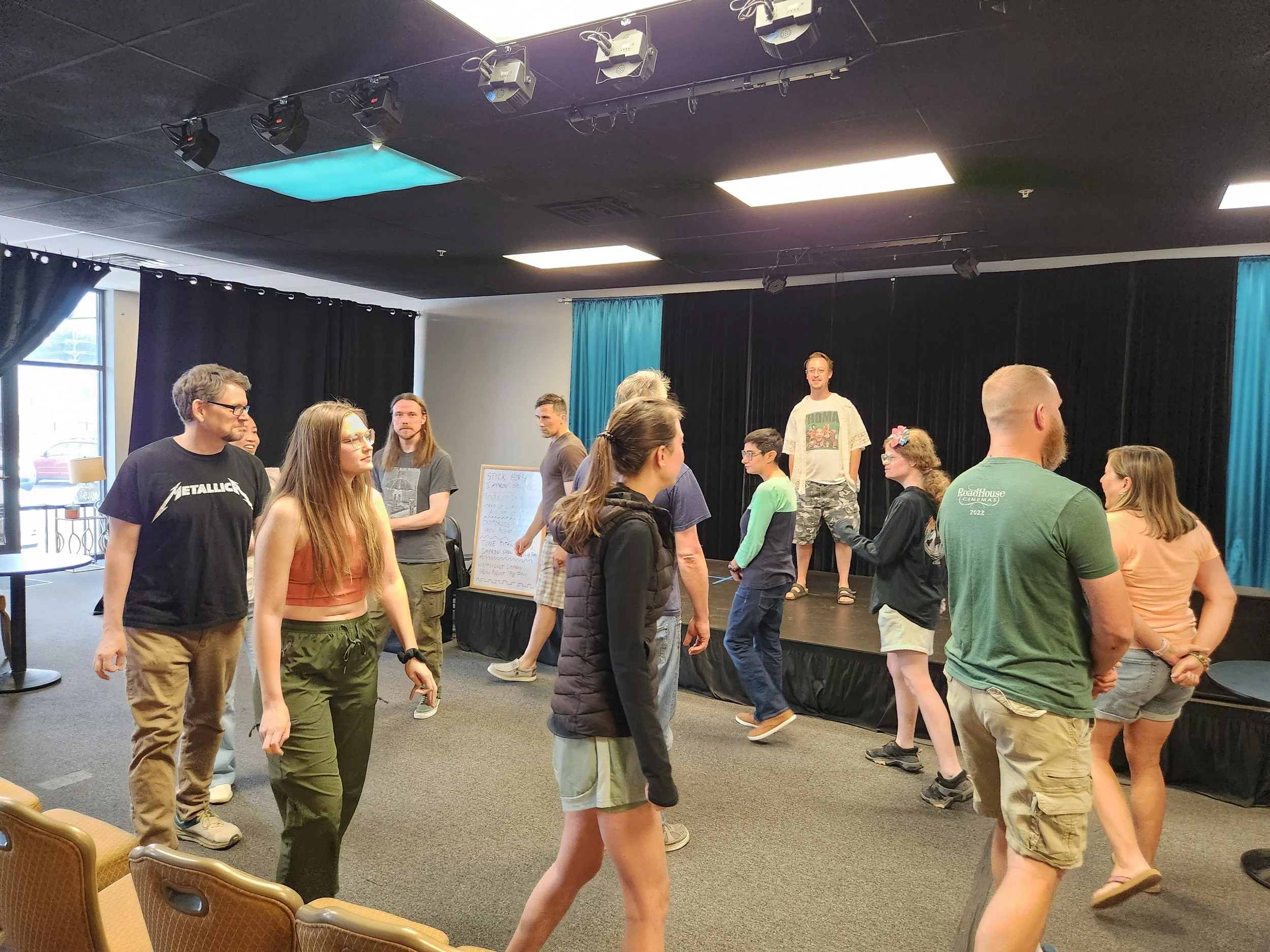
Our beginner-friendly improv classes focus on collaboration and adaptability
What Improv Really Teaches
Most people think improv is about being funny.
It isn’t.
Improv is a practice in responsiveness. It teaches you how to stay present when you don’t know what’s coming next—and how to trust yourself anyway.
In an improv class, you’re not rewarded for having the perfect idea. You’re rewarded for listening, building on what’s already there, and making your scene partner look good. Those same skills show up everywhere: at work, in relationships, and in moments when life asks you to adapt instead of control.
At Peak Improv Theater, we see this transformation happen every session. Students don’t just learn stage techniques. They learn how to:
quiet their inner critic
respond instead of overthinking
recover quickly from mistakes
trust that they’re supported
That’s why improv improves your life—not because it changes who you are, but because it reminds you what you’re capable of when you stop trying to get it “right.”
Creativity Is a Skill, Not a Talent
We tend to think creativity belongs to artists, performers, or “idea people.”
But improv reveals a different truth: creativity is a response, not a personality trait.
In improv, creativity doesn’t come from waiting for a brilliant idea. It comes from engaging with what’s already happening—accepting what’s offered and building forward, one choice at a time. The moment you stop searching for the best idea, more ideas become available.
That same principle applies offstage.
Creativity shows up when:
you try something before you’re certain it will work
you adjust mid-conversation instead of shutting down
you respond to change without freezing or forcing control
Improv strengthens creative adaptability by lowering the stakes. You’re encouraged to experiment, to follow your instincts, and to treat every outcome as useful information rather than success or failure.
Why This Matters Beyond the Stage
Life rarely gives us time to prepare the perfect response. Meetings pivot. Plans shift. People surprise us. Creativity, in those moments, isn’t about originality—it’s about flexibility.
Improv trains that flexibility through repetition. Over time, students begin to trust that they don’t need to know what comes next to move forward. They learn that creativity isn’t something you wait for—it’s something you practice.
At Peak Improv Theater, we watch people carry this mindset into their daily lives: showing up more willing to try, less afraid of being wrong, and more open to what’s possible when they stay engaged instead of guarded.
Creativity as a Way of Being
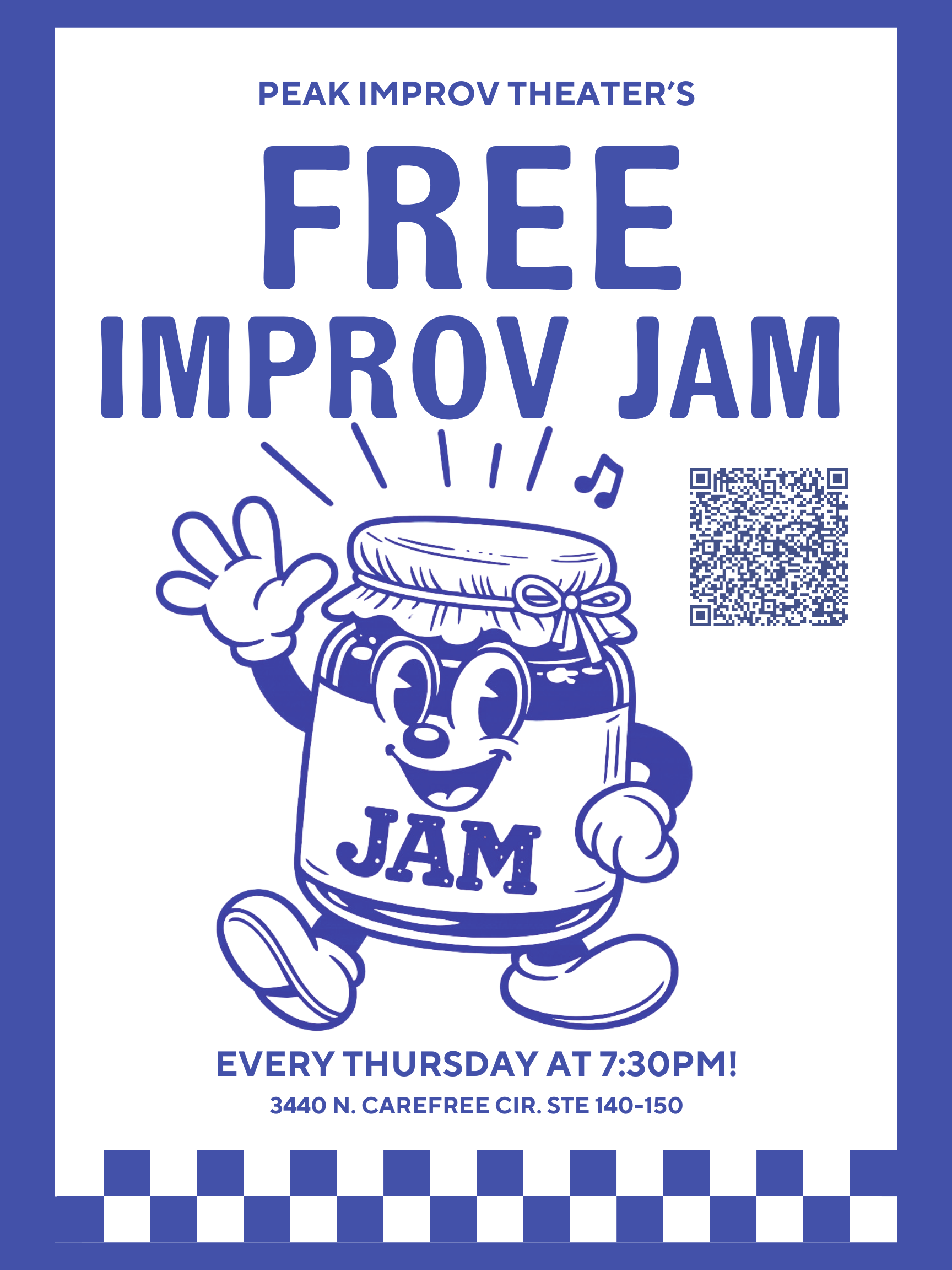
Curious about improv? Come and get creative during our free improv night.
During National Creativity Month, it’s worth rethinking what creativity actually looks like. It’s not always bold or flashy. Often, it’s quiet and practical—the ability to respond with curiosity when certainty isn’t available.
Improv doesn’t make you more creative by giving you better ideas.
It helps you trust that whatever you bring is enough to begin.
And that shift—from perfection to participation—is where creativity really lives.